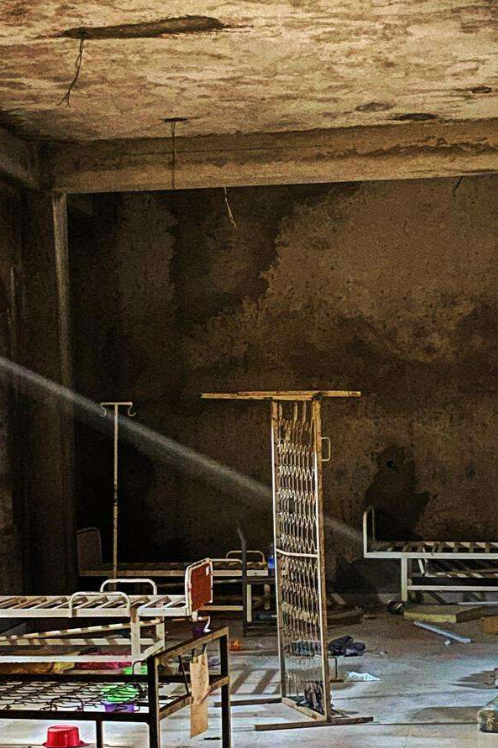
Our work in One-Stop Centres
*
Our work in One-Stop Centres *
Donate to Support Survivors Through One-Stop Centres
Your donation helps survivors access coordinated medical care, psychosocial support, and essential recovery items.
Give what you can (pooled support):
$10 | £10 | €10 | Br 2,000
$25 | £20 | €25 | Br 5,000
$50 | £40 | €50 | Br 10,000
Cover direct support for one survivor:
Medical + psychosocial care (1 survivor): £80 | $110 | €92 | Br 16,700
Dignity kit (1 survivor): £60 | $80 | €70 | Br 12,300
Full survivor package (care + dignity kit): £140 | $190 | €160 | Br 29,000
What is a one-stop centre?
A One-Stop Centre (OSC) is a coordinated service point where survivors of sexual and gender-based violence can access multiple essential services in one place, instead of being sent between different offices.
In practice, an OSC brings together (or tightly coordinates):
Medical care (including emergency treatment and documentation of injuries)
Psychosocial support (counselling and ongoing case support)
Protection and case management (safety planning, referrals, follow-up)
Legal support/justice access (police reporting support, prosecutor/legal aid pathways)
The goal is survivor-centered care: faster support, fewer repeat interviews, safer referrals, better evidence handling, and stronger coordination between health and justice actors.
EASE works in post-conflict Tigray to strengthen survivor-centered health, legal, and protection services. Our focus is not on creating parallel systems, but on making existing ones function better, more safely, and with dignity for survivors.
Much of our work takes place through One-Stop Centers, where medical, psychosocial, and legal services are meant to come together. In practice, these services are often fragmented. Survivors are required to move between institutions, repeat their experiences, or navigate legal processes alone. Our work focuses on addressing these gaps and improving coordination where it matters most.
Strengthening medico-legal services at One-Stop Centers
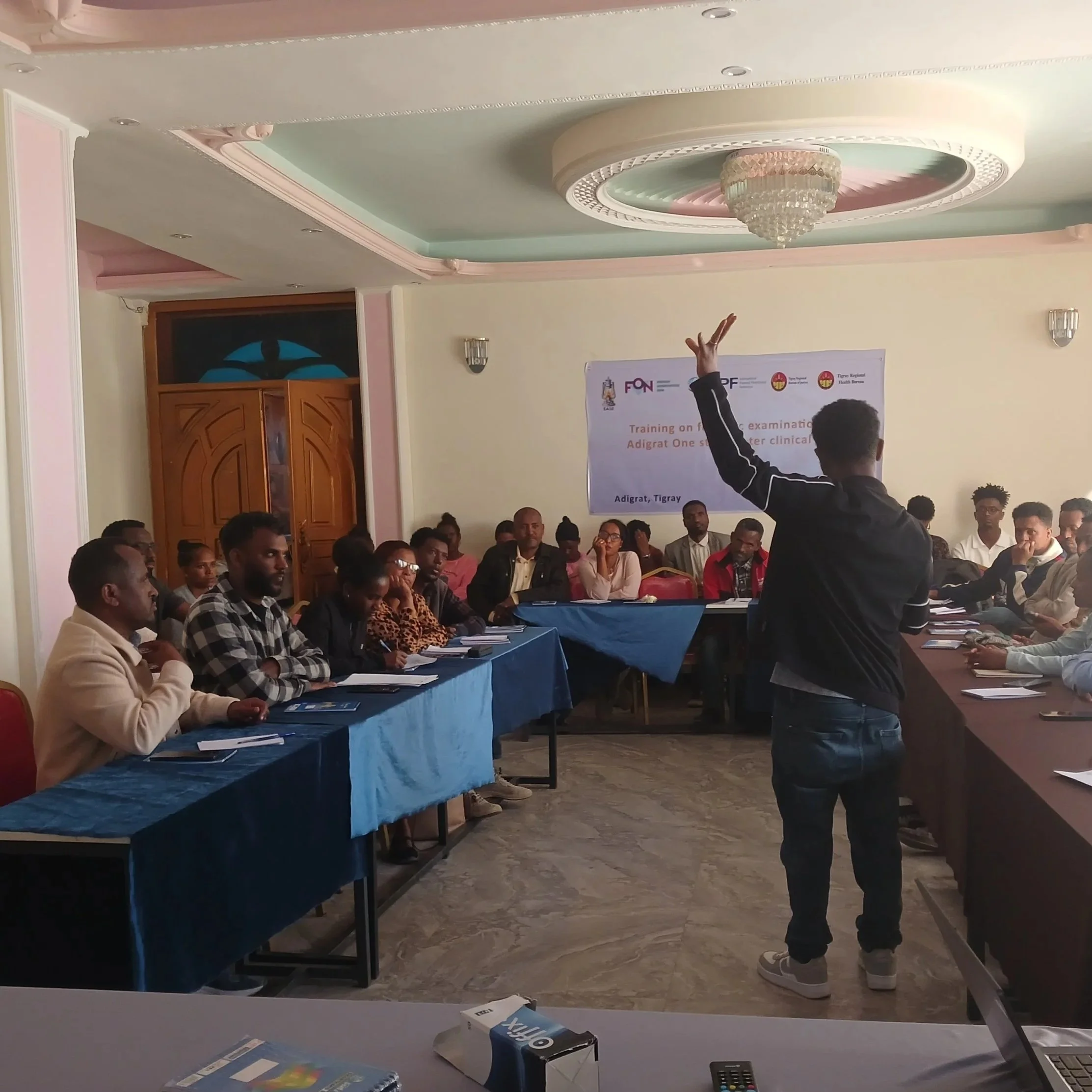
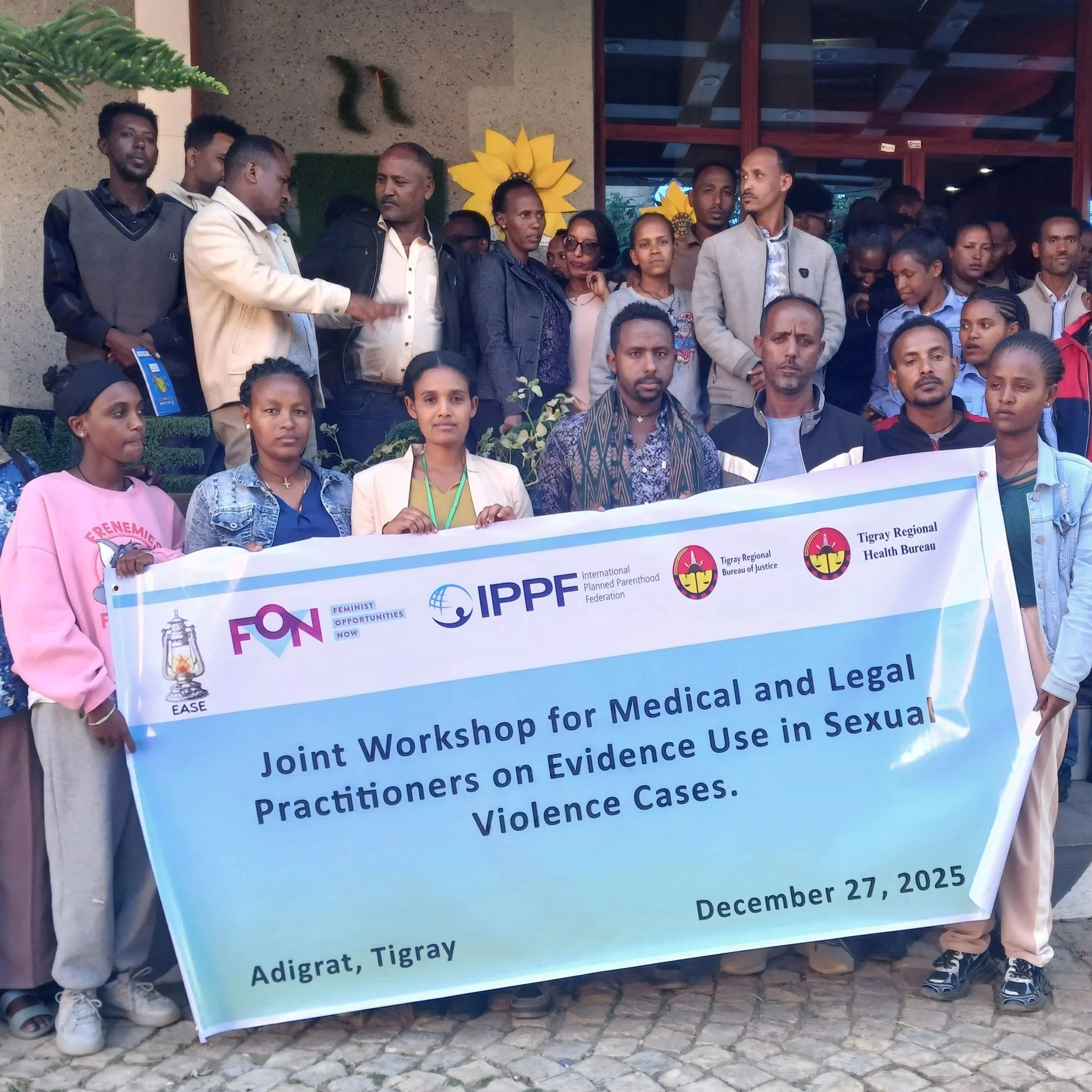
A core area of our work has been strengthening medico-legal services at One-Stop Centers. This has included integrating a full-time prosecutor within the center, developing standard operating procedures intended for use across Tigray, and providing practical training for legal and health professionals.
The training focuses on trauma-informed legal practice, interpretation of forensic medical evidence, and joint simulation workshops that bring legal and health professionals together. These sessions are grounded in real cases and practical challenges rather than theory.
So far, 36 professionals have been trained, including prosecutors, police officers, judges, and One-Stop Center health providers in Eastern Tigray. Through this work, an estimated 400–500 survivors of sexual and gender-based violence are supported each month through strengthened One-Stop Center services.
The aim is to reduce the risk of survivors facing retaliation, losing trust in institutions, or disengaging from care because systems fail to communicate. When coordination improves, survivors are more likely to seek support and continue using services.
The standard operating procedures developed through this work are positioned to be scaled to the remaining six One-Stop Centers in Tigray, supporting more consistent survivor-centered practice across the region.
Safety and protection of One-Stop Centers
In Adigrat, repeated night-time robberies placed both survivors and staff at risk. As part of our broader commitment to survivor-centered care, EASE supported efforts to strengthen the physical security of the One-Stop Center.
This work was not only about infrastructure. It was about restoring confidence in a space meant to provide safety, confidentiality, and care.
Supporting frontline staff and preventing vicarious trauma
Work inside One-Stop Centers is emotionally demanding. To support staff wellbeing, EASE helped establish a peer support group for healthcare providers working at the center.
Weekly coffee-ceremony gatherings create space for reflection, discussion, and mutual support. These sessions help staff process difficult cases, reduce burnout, and identify vicarious trauma early. Sustaining survivor care depends on supporting the people who provide it.